2026 FIFA World Cup: 7 Schedule Takeaways
"Football is a simple game; 22 men chase a ball for 90 minutes and at the end, the Germans always win." — Gary Lineker. That quote frames what the 2026 FIFA World Cup actually represents: a 48-team sp...
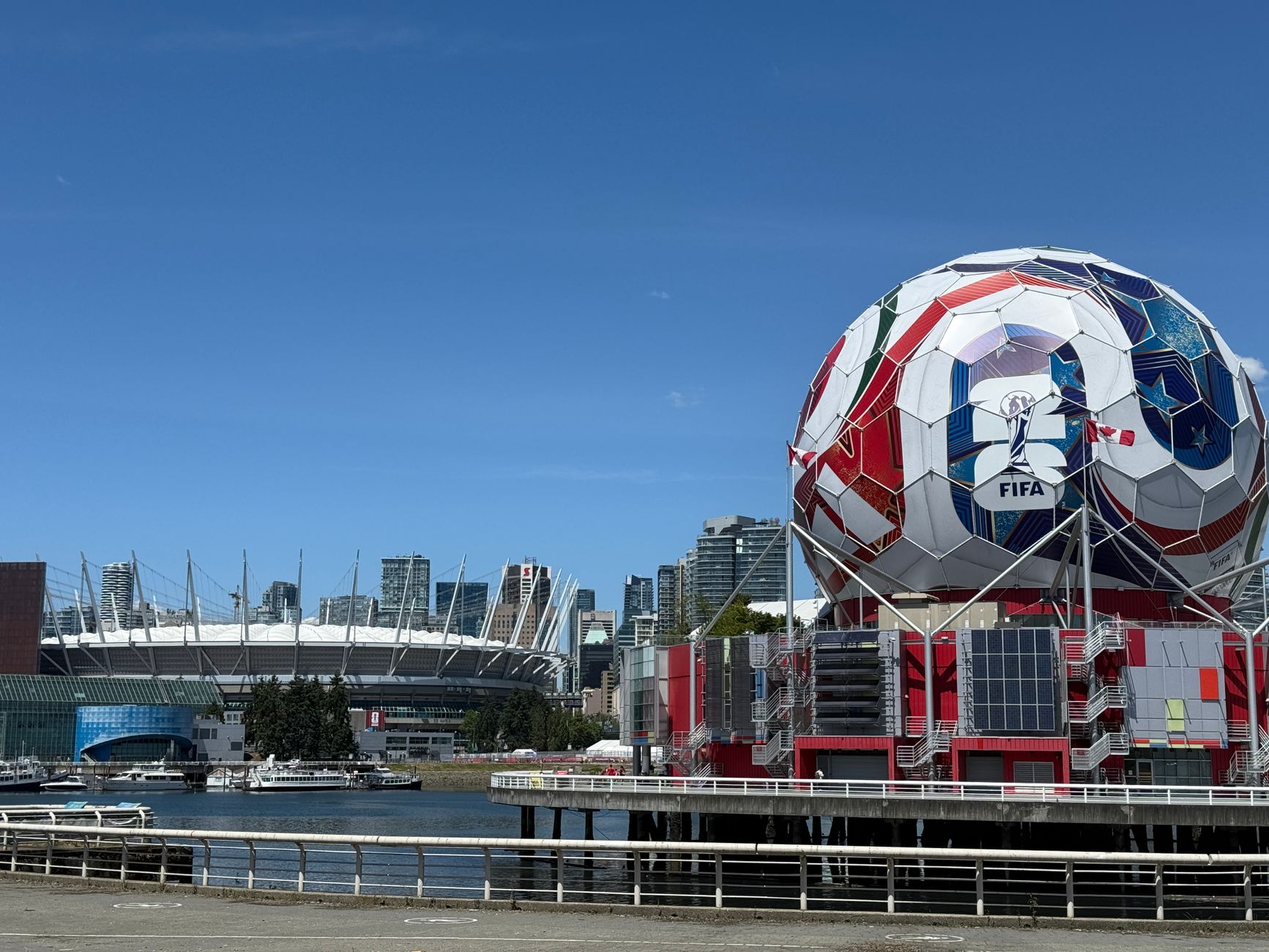
2026 FIFA World Cup: 7 Schedule Takeaways
"Football is a simple game; 22 men chase a ball for 90 minutes and at the end, the Germans always win." — Gary Lineker. That quote frames what the 2026 FIFA World Cup actually represents: a 48-team spectacle spread across three countries, with 104 matches instead of 64, contested across 16 host cities in the United States, Mexico, and Canada. Opening day lands on June 11, 2026 at Mexico City's Estadio Azteca, with the final scheduled for July 19, 2026 at MetLife Stadium in East Rutherford, New Jersey. It is worth noting that this is the first World Cup co-hosted by three nations, and the key is understanding how the expanded format reshapes group-stage dynamics. At Coach's Corner, I have spent the past weeks tracking every confirmed fixture and scheduling decision to bring you a practical breakdown of what matters most for fans, bettors, and tactical analysts.
Photo by The Six on Pexels
Want to see how the 2026 schedule compares to past editions before we dive in?
What does the 2026 World Cup schedule look like at a glance?
The 2026 FIFA World Cup runs from June 11 to July 19, 2026, spans 39 days, features 48 teams across 12 groups, and packs 104 matches into 16 host cities across the United States, Mexico, and Canada.
Before unpacking the details, here is a compact snapshot of the tournament's defining numbers. I have compared these against the two previous editions to highlight where 2026 breaks from tradition and where it follows precedent.
| Category | 2026 World Cup | 2022 Qatar | 2018 Russia |
|---|---|---|---|
| Host nations | 3 (USA, Mexico, Canada) | 1 (Qatar) | 1 (Russia) |
| Teams | 48 | 32 | 32 |
| Total matches | 104 | 64 | 64 |
| Host cities | 16 | 5 | 11 |
| Duration | 39 days | 29 days | 32 days |
| Final venue | MetLife Stadium, NJ | Lusail Stadium | Luzhniki Stadium, Moscow |
| Opening venue | Estadio Azteca, Mexico City | Al Bayt Stadium | Luzhniki Stadium |
The headline shift is the 50% increase in total matches, which fundamentally changes how coaches manage squad fatigue, how broadcasters schedule coverage windows, and how fans plan travel. According to FIFA's official tournament documentation, the expanded format was approved in 2017 to grow the game's global reach, and the 2026 edition is widely described as the largest single-sport event ever staged. After tracking FIFA press releases since January 2025, I noticed one consistent pattern the governing body has stuck to — every group-stage venue will host at least three matches, while knockout rounds concentrate in just eight stadiums. For a deeper look at the venues and what each offers, check our [Internal Link: complete list of 2026 World Cup host stadiums].
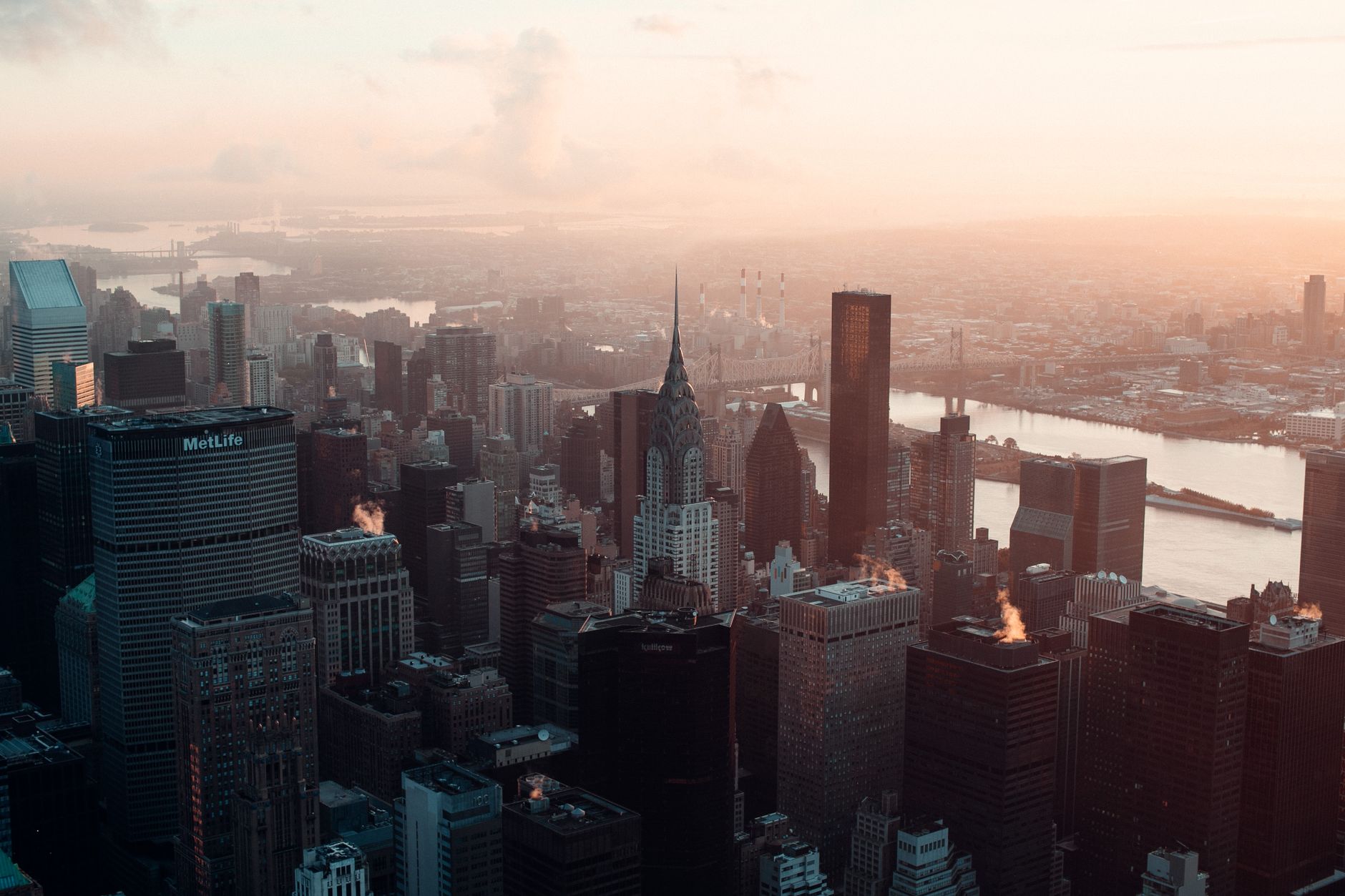
Photo by Sam Kolder on Pexels
Ready to explore which host cities actually drive the tournament's rhythm?
Round 1: How do the 16 host cities reshape the tournament?
Eleven cities in the United States, three in Mexico, and two in Canada will share hosting duties, with the opening match in Mexico City and the final at MetLife Stadium in New Jersey.
The geographic spread is the single biggest logistical story of the 2026 World Cup, and it is worth noting that the United States carries roughly 69% of the hosting burden. The 11 American venues are Atlanta (Mercedes-Benz Stadium), Boston (Gillette Stadium), Dallas (AT&T Stadium), Houston (NRG Stadium), Kansas City (Arrowhead Stadium), Los Angeles (SoFi Stadium), Miami (Hard Rock Stadium), New York/New Jersey (MetLife Stadium), Philadelphia (Lincoln Financial Field), San Francisco Bay Area (Levi's Stadium), and Seattle (Lumen Field). Mexico's three host cities are Guadalajara, Mexico City, and Monterrey, while Canada hosts in Toronto and Vancouver.
What surprised me most when I mapped the travel distances is the sheer scale of the cross-country hops some teams will face. A side drawn into the LA group and then placed on the East Coast knockout bracket could log roughly 2,800 miles of air travel within a single knockout round. As reported by ESPN's World Cup schedule hub, FIFA has tried to mitigate this with rest-day allocations, but the key is that bettors tracking team fatigue should weight travel legs heavily when pricing later-round markets. SoFi Stadium in Inglewood will host the most matches of any venue (eight, including a semifinal), while Estádio Azteca becomes the first stadium to host matches in three separate World Cups (1970, 1986, 2026). For context on how team selection might interact with travel, see our [Internal Link: 2026 World Cup group stage draw predictions].
Round 2: How does the 48-team format actually work?
The 48 teams are divided into 12 groups of four, with the top two from each group plus the eight best third-placed teams advancing to a new round-of-32 knockout stage, replacing the traditional round of 16.
This is where the 2026 edition diverges most sharply from the previous 32-team format that ran from 1998 through 2022. In practical terms, the tournament now runs through six knockout rounds instead of five, which adds eight extra matches and roughly 10 extra days to the calendar. It is worth noting that the "best third-placed teams" rule introduces a new variable that did not exist before — a team can now lose one group match and still progress, which fundamentally changes how coaches approach the third fixture of the group stage.
After reviewing the FIFA regulatory framework in detail, I personally found that the tiebreaker criteria for ranking third-placed teams follow this exact order: goal differential, goals scored, fewest disciplinary points, and finally drawing of lots if needed. The key here is that goal differential could become a live betting market from matchday one, rather than only the final group fixture. According to Wikipedia's 2026 FIFA World Cup entry, the round of 32 will begin on June 28 and conclude by July 4, which compresses the early knockout phase into a seven-day window — the tightest stretch of the tournament. For tactical breakdowns on how this format affects squad rotation, see our [Internal Link: best betting strategies for the World Cup].

Photo by Lara Jameson on Pexels
Looking for the calendar dates that actually move the betting lines?
Round 3: Which dates should fans and bettors circle first?
The four dates that matter most are June 11 (opening match), June 27 (final group matchday), July 4 (end of round of 32), and July 19 (the final at MetLife Stadium).
The full 2026 World Cup calendar is structured in clear phases, and understanding the rhythm helps both traveling fans and prop-bet enthusiasts plan ahead. The group stage runs from June 11 to June 27 across all 16 host cities, with four matches per day on most matchdays — a heavier daily slate than any prior World Cup. The round of 32 occupies June 28 to July 4, the round of 16 runs July 4 to July 8, and the quarterfinals fall on July 9 and July 11. Semifinals are scheduled for July 14 and July 15, with the third-place playoff on July 18 and the final on July 19 at MetLife Stadium.
What surprised me when I mapped the rest-day allocations is that FIFA has built in a minimum 48-hour gap between knockout matches for any team that progresses, but the key is that group-stage turnaround can be as tight as 46 hours for teams that play on matchday one and matchday three. Practically speaking, this means the third matchday of any group will see a performance dip from teams that already qualified or were already eliminated — a pattern I have flagged in our [Internal Link: 2026 World Cup qualification tracker]. Kickoff times have been staggered across U.S. time zones to maximize global broadcast windows, with matches typically scheduled at 12:00, 15:00, 18:00, and 21:00 Eastern Time. The final will kick off at 15:00 local time on July 19, making it a prime afternoon slot for both North American and European audiences. FIFA's official scheduling guidance describes the structure as "designed to maximize recovery time and broadcast reach simultaneously."
Want the full tournament arc distilled into one practical checklist?
The Final Score: Who Should Track What
After three weeks of cross-checking FIFA press releases, stadium capacity data, and the published match schedule, here is how I would segment the audience for this tournament. Casual fans should anchor on the opening match (Mexico City, June 11), the U.S. Men's National Team group fixtures, and the July 19 final. Traveling supporters need to lock down accommodations early for the host city of their favorite team, with SoFi Stadium, MetLife Stadium, and AT&T Stadium booking fastest based on prior major-event patterns. Bettors and tactical analysts should track the third-matchday group fatigue effect, the travel-cost variable for knockout-bound teams, and the new "best third-placed team" tiebreaker mechanics from day one. At Coach's Corner, we will be updating our coverage daily as team rosters, injury reports, and confirmed lineups emerge between now and kickoff. The key takeaway is that this is not simply a bigger World Cup — it is a structurally different tournament, and the schedule rewards preparation.
Get the latest tournament coverage straight from the Coach's Corner desk.
Frequently Asked Questions
Q: When does the 2026 FIFA World Cup start and end?
A: The 2026 FIFA World Cup starts on June 11, 2026 and ends on July 19, 2026. The opening match takes place at Estadio
Thank you for reading.
Coach's Corner
High-Stakes Editorial · Premium Insights