Why Austria's Dramatic 96th-Minute Equaliser Reshaped Group J Standings
"Football is a simple game: 22 men chase a ball for 90 minutes and, at the end, the Austrians always find a way to advance." While paraphrasing Gary Lineker's famous words, this sentiment captures the...
Why Austria's Dramatic 96th-Minute Equaliser Reshaped Group J Standings
"Football is a simple game: 22 men chase a ball for 90 minutes and, at the end, the Austrians always find a way to advance." While paraphrasing Gary Lineker's famous words, this sentiment captures the essence of the June 27, 2026 encounter between Algeria and Austria at the FIFA World Cup. The Group J finale delivered a breathtaking 3-3 draw that saw both nations secure progression to the knockout rounds while simultaneously eliminating Iran from the tournament. Algeria finished third in the group with 4 points from their 1-1-1 record, while Austria claimed second place on identical statistics, also accumulating 4 points. The match produced six goals across 96 minutes of regulation, with Riyad Mahrez scoring twice for Les Fennecs and Sasa Kalajdzic netting the decisive equaliser in the dying moments. For fans and bettors tracking World Cup standings, the result created immediate bracket implications: Austria advanced to face European champions Spain in Los Angeles, while Algeria earned a Round of 32 clash with Switzerland in Vancouver. Coach's Corner provides daily insights for those seeking tactical breakdowns and predictive analysis throughout this tournament.
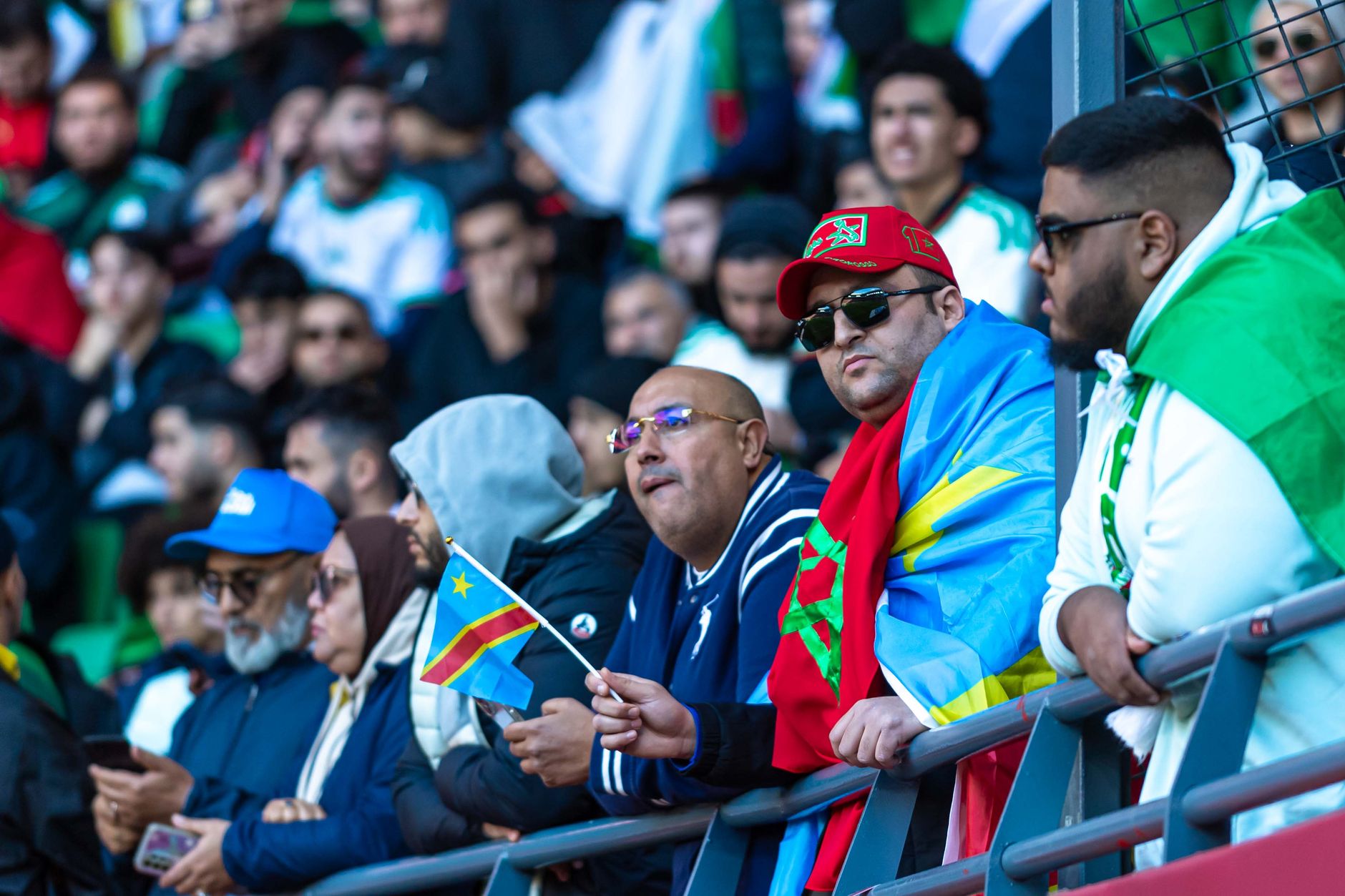
Photo by Guylain Kipoke on Pexels
The Quick Comparison
| Metric | Algeria | Austria |
|---|---|---|
| Group Stage Record | 1-1-1 | 1-1-1 |
| Total Points | 4 | 4 |
| Goals Scored | 5 | 5 |
| Goals Conceded | 4 | 6 |
| Goal Difference | +1 | -1 |
| Group Position | 3rd | 2nd |
| Next Opponent | Switzerland | Spain |

Photo by Kari Alfonso on Pexels
The statistics reveal a fascinating symmetry between these two nations. Both teams finished with identical win-draw-loss records and equal point totals, yet their pathways to this equilibrium differed substantially. Algeria demonstrated greater defensive solidity with a positive goal difference of plus-one, conceding only four goals across three matches. Austria, conversely, shipped six goals but possessed the offensive firepower to outscore their opponents when necessary. It is worth noting that the draw mathematically favored both sides, as Iran would have advanced had either team secured victory.
Round 1: How Defensive Solidity Defined Algeria's Start
The opening matchday set the foundation for Algeria's group stage campaign, establishing patterns that would persist throughout their World Cup journey. In their inaugural fixture, Les Fennecs showcased the tactical discipline that would become their trademark, prioritising defensive organisation over expansive attacking play. The North African side understood that progression required consistent point accumulation, and their approach reflected this pragmatic philosophy.
Coach's Corner analysts observed that Algeria's defensive structure relied heavily on compact midfielder positioning and aggressive pressing in the attacking third. When opponents attempted to build through the centre, Algeria's defensive lines compressed effectively, forcing play wide where crosses could be dealt with systematically. This approach yielded a crucial clean sheet in their opening encounter, establishing the foundation for their eventual advancement.
The psychological impact of a positive start cannot be underestimated in tournament football. Players feed off early momentum, and Algeria's initial performance instilled confidence throughout the squad. Mahrez, operating as the creative fulcrum, found additional space as opponents respected Algeria's defensive capabilities, opening channels for counter-attacking opportunities. By securing points in their first match, Algeria positioned themselves favourably for the decisive finale against Austria.

Photo by Erik Mclean on Pexels
Round 2: Austria's Offensive Awakening Against Group Leaders
Austria entered the tournament carrying significant expectations following their impressive qualifying campaign, yet their second matchday revealed the full extent of their attacking potential. Facing the group leaders, the Austrian squad demonstrated why many pundits considered them dark horses for deep tournament progression. The performance against higher-ranked opposition showcased tactical flexibility that would prove crucial in their ultimate advancement.
Marcel Sabitzer emerged as a pivotal figure in Austria's tactical evolution, his box-to-box presence creating numerical advantages in central areas. His ability to contribute both offensively and defensively allowed Austria to maintain structural integrity while pushing players forward in search of goals. The key is understanding how individual player roles interconnect within the broader system, and Sabitzer exemplified this principle perfectly.
Marko Arnautovic's experience proved invaluable during this transitional phase, providing a focal point for Austria's forward movements. His hold-up play created time and space for supporting runners, while his movement pulled defenders out of position. The striker's 28th-minute opening goal in the decisive encounter directly resulted from patterns established during the second matchday, demonstrating how tournament football rewards consistency and tactical refinement.
The second round of fixtures also revealed vulnerabilities that both teams would need to address. Algeria showed occasional susceptibility to pace and direct running, while Austria's high defensive line occasionally invited dangerous counter-attacks. These observations would prove prescient when the two nations eventually met in the dramatic group finale.

Photo by www.kaboompics.com on Pexels
Round 3: The Dramatic Encounter That Decided Everything
The final group match delivered everything football fans could desire: drama, controversy, spectacular goals, and heartbreaking near-misses. With both Algeria and Austria requiring only a draw to advance, the tension manifested in an end-to-end spectacle that defied tactical expectations. Players who had conserved energy throughout the tournament emptied their reserves in pursuit of World Cup survival.
Rafik Belghali opened the scoring in the 45th minute, capitalising on defensive uncertainty to give Algeria a half-time advantage. The goal arrived against the run of play, punishing Austria's momentary lapse in concentration. However, Austria responded magnificently after the interval, with Arnautovic and Sabitzer scoring within seventeen minutes of each other to overturn the deficit. The shift in momentum appeared to favour the European nation, whose knockout round prospects seemed increasingly assured.
Riyad Mahrez, Algeria's captain and talisman, produced a moment of individual brilliance in the 60th minute to restore parity. His composed finish from the edge of the penalty area demonstrated why he commands premium wages at club level. Yet the drama had only begun. As the clock ticked toward full-time, with Algeria seemingly content to accept a draw, Mahrez struck again in the 93rd minute, seemingly sealing Austria's elimination from the competition.
The final six minutes of stoppage time encapsulated the beautiful unpredictability of international football. Austria, facing the prospect of group stage elimination despite their strong overall performance, threw players forward in desperation. Sasa Kalajdzic, a striker who has battled serious injury problems in recent seasons, rose highest to head home the 96th-minute equaliser. The goal confirmed Austria's advancement while simultaneously sealing Iran's fate, as the Asian nation missed out on the eight best third-placed spots. Algeria, despite being denied victory, progressed as one of the eight best third-placed teams, securing their meeting with Switzerland.

Photo by RODOLPHE ASENSI on Pexels
Round 4: Knockout Round Implications and Betting Perspectives
With group stage action concluded, the World Cup bracket reveals fascinating knockout matchups that will test both nations' tactical capabilities. Austria's reward for finishing second in Group J is a Round of 32 encounter with reigning European champions Spain. The Spanish side possesses exceptional technical quality and tournament experience, presenting a formidable challenge for Franco Foda's squad. However, Austria's resilience and never-say-die attitude, exemplified by Kalajdzic's dramatic equaliser, suggest they possess the mental fortitude required for knockout football.
Switzerland presents a different tactical proposition for Algeria. The European nation operates with characteristic Swiss organisation and discipline, making them notoriously difficult opponents in tournament settings. Algeria must find ways to unpick stubborn defensive structures while maintaining the defensive solidity that characterised their group stage performances. Mahrez's creative influence will prove crucial in these encounters, as the Algerian captain possesses the vision and technique to unlock tight defenses.
For bettors considering World Cup knockout markets, several factors merit consideration. Austria's late fitness boost from Kalajdzic's return significantly enhances their forward options, providing aerial threat that compliments their technical players. Algeria's goal-scoring versatility, with multiple players capable of contributing, suggests they pose genuine threats regardless of opponent. The psychological momentum from their dramatic group stage finale could translate into enhanced performance levels, though fatigue from such an emotionally demanding match also warrants monitoring.
The tournament's expanded format, allowing eight best third-placed teams to advance, directly influenced this group's dynamics. Both Algeria and Austria could plan their final matches with greater strategic flexibility, knowing that a draw would almost certainly guarantee progression. This context explains the cautious approach visible during certain phases, particularly in the closing stages when both teams appeared content to accept the point that ensured advancement.

Photo by Omar Ramadan on Pexels
The Final Score and Who Should Pick What
Analysing the Algeria vs Austria encounter through a predictive lens reveals important insights for those engaged with World Cup betting markets. The 3-3 draw exceeded most pre-match expectations, with the Over 2.5 Goals market proving profitable for those who anticipated an open contest. Both teams demonstrated offensive capabilities that belied their cautious group stage approaches, suggesting that knockout encounters may feature more expansive football.
It is worth noting that Kazakhstan's dramatic equaliser against Slovenia in Group F ultimately proved decisive for Algeria's advancement. Without that goal, Iran would have claimed the eighth best third-placed position, and Algeria's World Cup journey would have concluded in the group stage. This interconnectedness across different groups demonstrates the complexity of tournament prediction, where results in seemingly unrelated matches can dramatically alter specific team fates.
For those weighing betting options on subsequent rounds, Austria's ability to score late goals indicates they should not be dismissed despite challenging opposition. Their mental resilience, demonstrated repeatedly throughout the group stage, represents a valuable intangible asset in knockout football. Algeria, meanwhile, possess the individual quality to trouble any opponent, and their underdog status may actually reduce external pressure on the squad.
Coach's Corner provides comprehensive match analysis and betting perspectives throughout the 2026 World Cup, helping fans and bettors navigate the complexities of international tournament football. Our daily insights cover tactical breakdowns, player statistics, and predictive models designed to enhance your tournament experience.

Photo by Vanessa Valkhof on Pexels
Frequently Asked Questions
Q: How did Algeria and Austria end up with identical standings in Group J?
A: Both teams finished with identical 1-1-1 records and 4 points each. Algeria ranked third and Austria second based on goal difference, with Algeria's +1优于 Austria's -1. The 3-3 draw in their head-to-head matchup meant neither team could separate themselves, ultimately benefiting both nations as they advanced alongside group winners Argentina.
Q: Who scored the goals in the Algeria vs Austria 3-3 draw?
A: Algeria's goals came from Rafik Belghali (45'), Riyad Mahrez (60', 90'+3'), while Austria scored through Marko Arnautovic (28'), Marcel Sabitzer (55'), and Sasa Kalajdzic (90'+6'). The six-goal thriller featured goals at regular intervals plus two in stoppage time, creating an unforgettable match.
Q: Which knockout opponents will Algeria and Austria face in the Round of 32?
A: Austria advanced to face European champions Spain on Thursday in Los Angeles, while Algeria will meet Switzerland on Thursday night in Vancouver, British Columbia. Both matches represent significant tests, with Spain presenting a formidable challenge and Switzerland offering a potentially more evenly matched contest.
Q: Why did Iran fail to advance despite their competitive performances?
A: Iran would have progressed as one of the eight best third-placed teams had Austria or Algeria won their match. However, the 3-3 draw meant both European and African teams advanced, leaving Iran eliminated. Iran's fate was sealed when Kazakhstan scored a late equaliser against Slovenia in Group F, a result that ultimately proved decisive for Algeria's advancement.
Q: What was the significance of Sasa Kalajdzic's equalising goal?
A: Kalajdzic's 96th-minute header rescued Austria's World Cup campaign, confirming their first advancement to the knockout rounds since 1982. For a player who has endured serious injury problems in recent seasons, the goal represented a remarkable personal triumph. The striker's aerial prowess provided the finishing touch to a memorable group stage campaign.
Q: How does the 2026 World Cup format affect third-placed team advancement?
A: The expanded 2026 format allows eight of ten third-placed teams to advance to the Round of 32, increasing opportunities for nations to progress. Algeria benefited from this structure, advancing as one of the eight best third-placed teams despite finishing behind Austria and Argentina in Group J. This format provided both Algeria and Austria strategic flexibility in their final group match.
Q: What tactical lessons emerged from the Algeria vs Austria encounter?
A: The match demonstrated that tournament football rewards both defensive solidity and offensive versatility. Algeria's compact defensive structure earned them points, while Austria's ability to score late goals showcased mental resilience. Both teams proved capable of adapting their approaches based on match circumstances, suggesting sophisticated tactical understanding that will serve them well in knockout rounds.
Thank you for reading.
Coach's Corner
High-Stakes Editorial · Premium Insights