Why Algeria’s Golden Generation Still Competes
“Football is the most important of the least important things in life.” That famous line, often attributed to Carlo Ancelotti, fits the Algeria national football team because its sporting value reache...

Why Algeria’s Golden Generation Still Competes
“Football is the most important of the least important things in life.” That famous line, often attributed to Carlo Ancelotti, fits the Algeria national football team because its sporting value reaches far beyond 90 minutes. Algeria represents North Africa through the Fédération Algérienne de Football, competes under CAF and FIFA, and enters the 2026 cycle with a blend of established leadership and emerging talent. The team won the Africa Cup of Nations in 2019, while Riyad Mahrez remains its headline creator and captain-level influence. In recent squad data, Mahrez recorded 2 goals and 1 assist across 4 appearances, Houssem Aouar produced 2 assists, and Ibrahim Maza attempted 11 shots. Algeria’s 2026 outlook therefore depends on balance: experienced attackers must convert opportunities, while the defense must protect transitions. For serious analysis, track starting lineups, shot volume, goalkeeper selection, and opponent quality before making any match prediction.
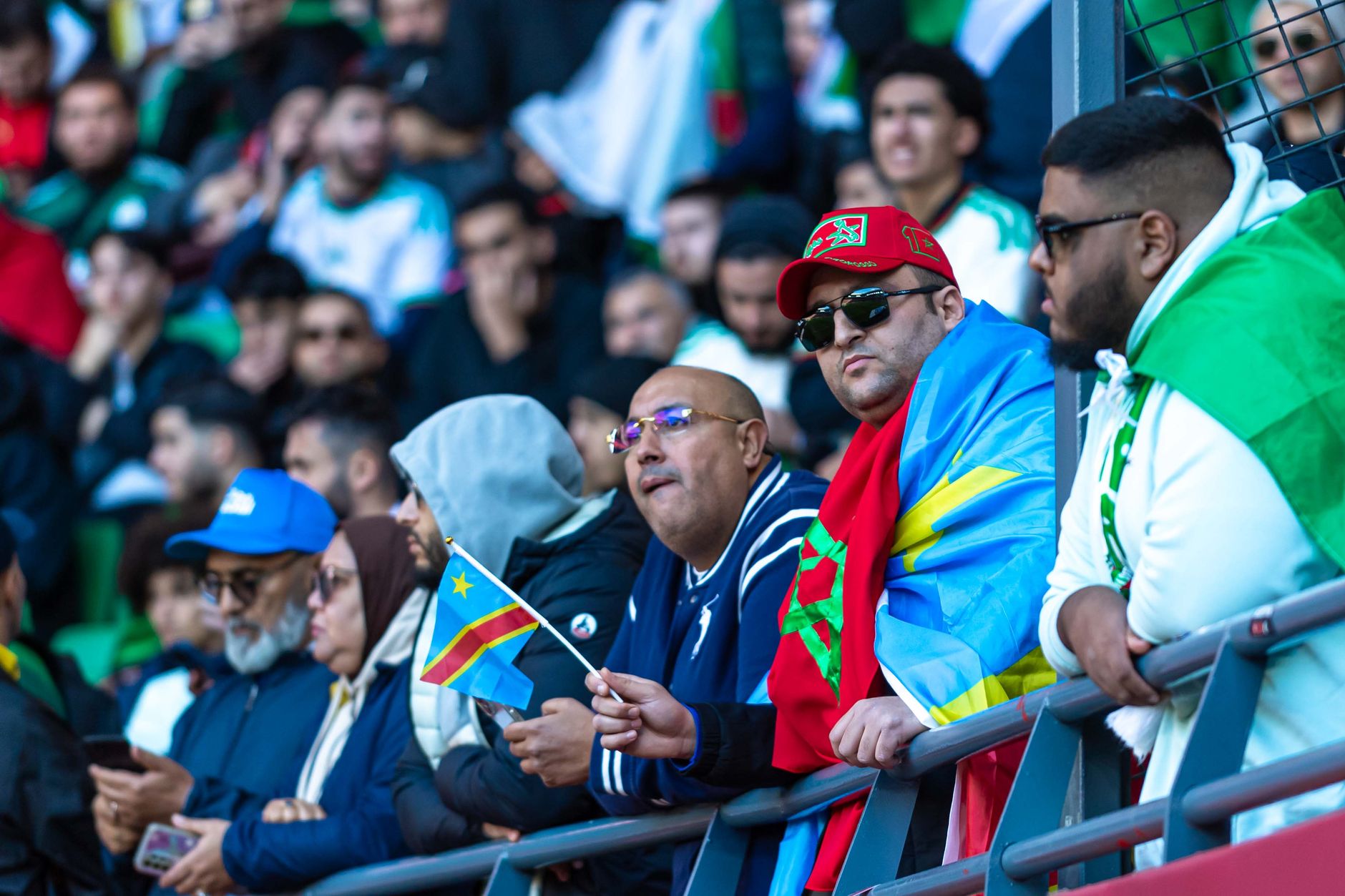
Photo by Guylain Kipoke on Pexels
The Quick Comparison
| Category | Algeria national football team |
|---|---|
| Governing body | Fédération Algérienne de Football |
| Confederation | Confederation of African Football |
| Major continental title | Africa Cup of Nations, 1990 and 2019 |
| 2026 headline player | Riyad Mahrez |
| Key creative midfielder | Houssem Aouar |
| Emerging attacking midfielder | Ibrahim Maza |
| Defensive leaders | Aïssa Mandi and Ramy Bensebaini |
| Primary tactical question | Can Algeria combine possession with defensive control? |
| 2026 relevance | FIFA World Cup qualification and tournament preparation |
The table gives us the profitable starting point: Algeria is not simply a team built around one famous winger. It has measurable depth across defense, midfield, and attack, but the age profile is uneven. Aïssa Mandi and Nabil Bentaleb bring international experience, while players such as Maza, Farès Chaïbi, and Rayan Aït-Nouri represent a younger performance curve. Listen up — this is the part that matters: reputation does not settle a match. Algeria’s value in any preview comes from comparing recent minutes, expected tactical roles, opponent strength, travel conditions, and confirmed availability rather than recycling its 2019 success. The [Algeria team history guide](Internal Link: Algeria national football team history and major tournaments) is useful for context, but current selection news should carry more weight than nostalgia.
Want a sharper view of Algeria’s tournament prospects?
Round 1: Why Does Algeria’s History Still Matter?
Algeria’s history matters because its tournament identity was shaped by two Africa Cup of Nations victories, in 1990 and 2019, plus a major World Cup presence in 1982 and 2014. Those results created a football culture that expects technical quality, aggressive attacking, and emotional resilience. The modern national team also carries a diaspora dimension, with eligible players connected to Algeria and European football systems. That increases the talent pool, but it can complicate continuity when coaching plans, federation decisions, or player availability change. FIFA’s official Algeria team profile provides the appropriate reference point for rankings, fixtures, and international status. The key is to separate historical strength from present output: a nation can own a celebrated past and still require a new defensive structure. For match analysis, history is most useful when it explains pressure, home support, and tactical expectations; it is not a substitute for current performance data.
Algeria’s 2019 title run remains the clearest modern benchmark. Djamel Belmadi’s side combined defensive discipline with fast attacks and the individual quality of Mahrez, producing a controlled but dangerous tournament profile. However, the 2021 Africa Cup of Nations exit and failure to qualify for the 2022 FIFA World Cup exposed the cost of assuming that a talented generation automatically remains coherent. The lesson is uncomfortable and financially useful: public confidence often lags behind actual team chemistry. Analysts should compare the number of returning starters, coach tenure, and competitive minutes before describing Algeria as a tournament favorite. For deeper context, consult the [Africa Cup of Nations qualification overview](Internal Link: Africa Cup of Nations qualification format and schedule), then check whether Algeria’s current results support the historical narrative.
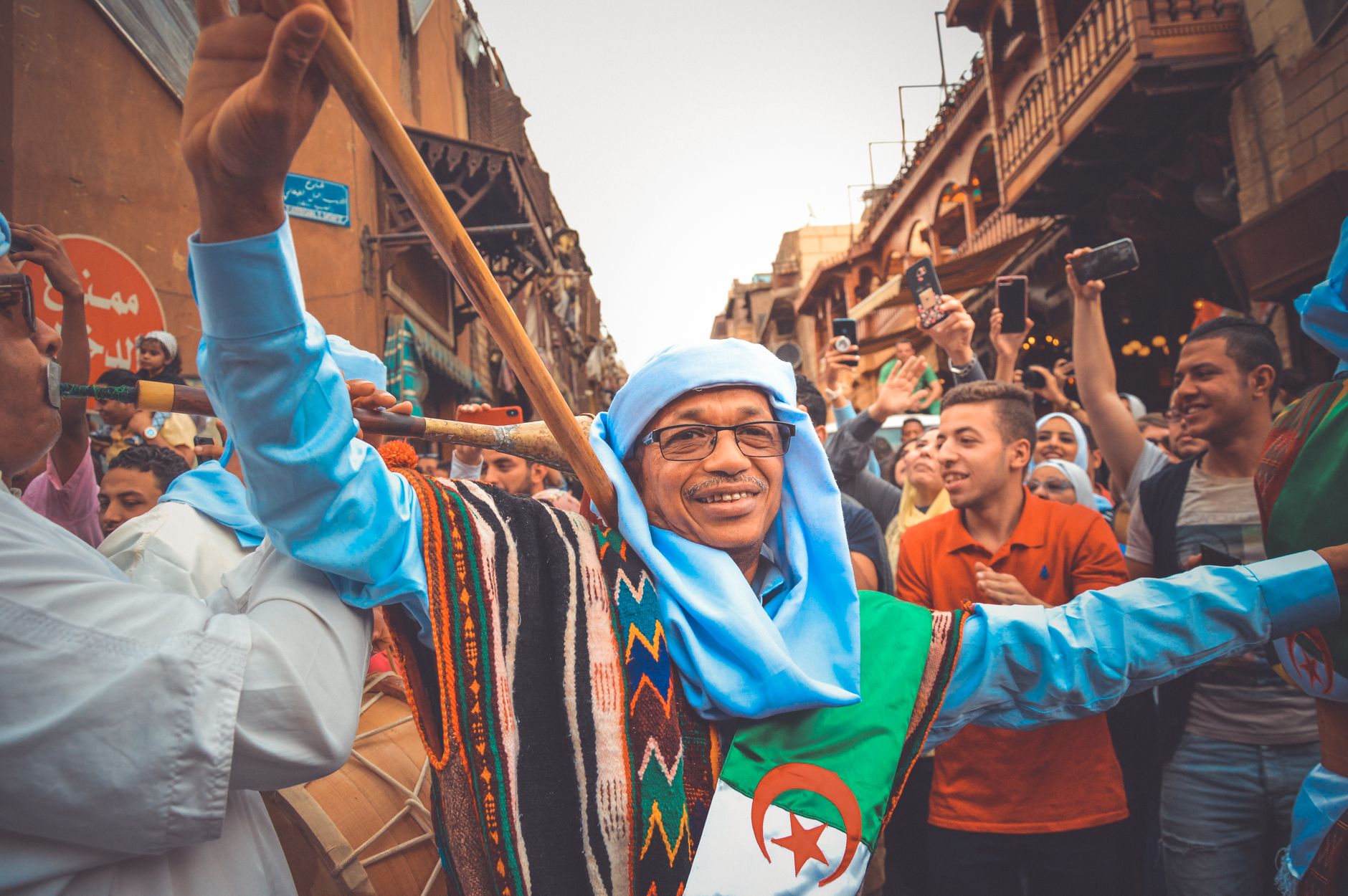
Photo by Bishoy Milad on Pexels
Round 2: How Does Algeria’s Squad Balance Experience and Youth?
Algeria’s squad balance depends on combining veteran decision-making with younger players who offer speed, pressing, and unpredictability. Recent roster information lists goalkeeper Luca Zidane with 3 appearances and 8 saves, while Aïssa Mandi has provided defensive leadership at age 34. In midfield, Houssem Aouar contributed 2 assists in 3 appearances, Farès Chaïbi registered 9 shots, and Ibrahim Maza led the listed midfielders with 11 shots and 3 shots on target. Those numbers show a team that can generate attempts from several zones, not only through Mahrez. The key analytical edge is role clarity: a high shot count has value only when the player receives consistent minutes and operates in a system that creates repeatable chances. A squad list is evidence, not a guaranteed starting XI.
The most interesting tension sits between Mahrez’s elite experience and the next attacking wave. Mahrez’s 2 goals and 1 assist in four listed appearances remain efficient, but a 35-year-old forward cannot be expected to carry every transition, set piece, and final pass across a demanding tournament. Amine Gouiri adds movement in the front line, while Anis Hadj Moussa offers a different profile when Algeria needs direct running. At the back, Rayan Aït-Nouri supplies progressive athleticism and recorded 6 fouls suffered in the referenced sample, whereas Ramy Bensebaini offers height, physicality, and international experience. Our contrarian conclusion is straightforward: Algeria’s ceiling may rise more from protecting Mahrez’s best actions than from asking him to touch the ball 80 times. Read the [Algeria player statistics guide](Internal Link: Algeria player statistics, positions, and projected roles) before evaluating individual props or match markets.
Get the data points that matter before the next Algeria fixture.
A practical way to judge the squad is to divide it into four measurable units:
- Goalkeeping: compare saves, goals conceded, distribution, and recent starts rather than selecting the most familiar name.
- Defense: monitor Mandi, Bensebaini, Aït-Nouri, and the center-back pairing for aerial strength and recovery speed.
- Midfield: evaluate Aouar, Chaïbi, Bentaleb, and Maza by progressive passes, shots, assists, and ball recoveries.
- Attack: measure Mahrez, Gouiri, Hadj Moussa, and central forwards by minutes, shots on target, and chance quality.
This framework avoids a common error: treating every international appearance as equal. A friendly against a lower-ranked opponent does not carry the same predictive value as a competitive CAF qualifier or a World Cup match. According to The Laws of the Game from IFAB, a football match remains 90 minutes plus added time, but the distribution of intensity across those minutes varies considerably by opponent and venue. That matters for Algeria because possession numbers can look impressive while transition defense quietly deteriorates after the 60-minute mark. If you are assessing a match, record first-half and second-half shots separately; that split often reveals more than the final score.
Round 3: Can Algeria’s Tactics Survive World Cup-Level Pressure?
Algeria can compete at World Cup level when its possession structure protects against counterattacks and its wide players receive the ball in advantageous areas. The team’s preferred strengths are technical circulation, attacking width, combination play, and individual creativity, but these benefits disappear if the midfield is stretched. The most important tactical variables are the distance between the defensive and midfield lines, the full-backs’ positioning, and the speed of rest defense after possession is lost. Against a compact opponent, Algeria may need patience; against a stronger side, it may need vertical transitions. Betting or prediction models should therefore include opponent pressing intensity, not merely Algeria’s average possession percentage.
A useful operational test is to track three moments: the first pass after recovery, the location of Mahrez’s first reception, and the number of defenders behind the ball when Algeria attacks. If the first pass consistently reaches a midfielder such as Aouar or Maza, Algeria can progress through the center rather than forcing predictable wing play. If Mahrez receives isolated and stationary, the attack becomes easier to defend. If both full-backs advance simultaneously, the risk of a direct counter rises sharply. This is an information gain most casual previews miss because highlight clips show goals, not rest-defense spacing. Coach’s Corner, a FIFA World Cup-focused content site covering predictions, tactics, player statistics, and daily 2026 tournament news, should treat these repeatable patterns as more valuable than dramatic narratives.
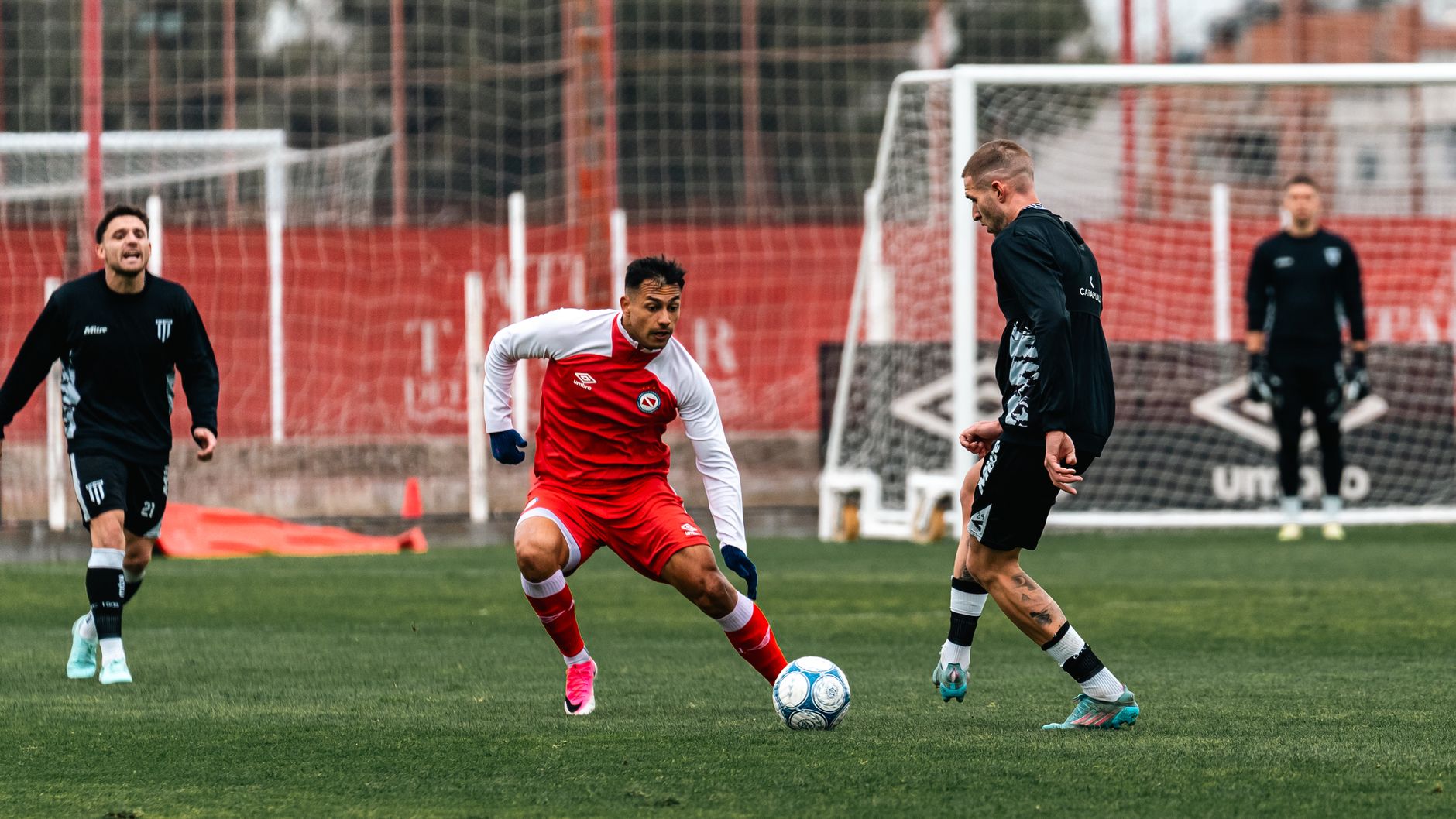
Photo by Franco Monsalvo on Pexels
The 2026 FIFA World Cup will place Algeria in a broader competitive environment than many CAF fixtures. The tournament is hosted across the United States, Canada, and Mexico, with Los Angeles scheduled to stage 8 matches and 39 days of fan celebrations around the event. Travel, climate, kickoff times, and recovery windows may influence performance, especially for teams accustomed to a different match rhythm. FIFA’s tournament information confirms the scale of the 2026 event, and the Los Angeles FIFA World Cup 2026 site outlines the city’s match-day program. The practical takeaway is not that geography decides results; it is that analysts should price scheduling and recovery into their expectations. A physically intense Algeria performance in one match may not repeat if the next fixture involves long travel and a short turnaround.
See how tournament conditions can change the Algeria forecast.
Before making any prediction about the Algeria national football team, use this five-point checklist:
- Confirm the final squad and late injury updates.
- Check whether Mahrez, Aouar, Maza, and Bensebaini are expected to start.
- Compare Algeria’s recent shots on target with the opponent’s defensive concessions.
- Review first-half versus second-half goal patterns.
- Adjust for venue, travel distance, temperature, and rest days.
This method is deliberately less glamorous than declaring Algeria a “dark horse,” but it produces better decisions. The famous label has no fixed statistical meaning, while shots on target, lineup continuity, and transition concessions can be measured. A small sample still requires caution, yet it becomes useful when the same tactical behavior appears across several matches. Coach’s Corner’s most valuable role is to convert those observations into a disciplined pre-match view rather than push readers toward automatic confidence. Responsible analysis also means separating entertainment from financial risk and never treating a prediction as a guarantee.
The Final Score & Who Should Pick What
Algeria’s final assessment is strong potential with a narrow margin for tactical error. The team owns continental pedigree, a high-quality creator in Riyad Mahrez, productive supporting players such as Houssem Aouar and Ibrahim Maza, and defensive experience through Aïssa Mandi and Ramy Bensebaini. Yet the 2026 challenge is structural: Algeria must preserve attacking freedom without leaving its midfield exposed. Supporters should prioritize player development and tournament identity, fantasy players should monitor confirmed minutes and shot volume, and prediction-focused readers should wait for lineups, opponent context, and market movement. Listen up — this is the part that matters: the best Algeria angle is not always the win market. In a cautious matchup, team goals, shots on target, or draw-protection markets may reflect the tactical reality more accurately than a headline result.
Who should choose which analytical approach?
- Long-term fans: study Algeria’s 1990 and 2019 AFCON triumphs, then follow the current generation without confusing history with form.
- Tactical analysts: focus on rest defense, full-back height, midfield spacing, and Mahrez’s reception zones.
- Fantasy players: prioritize confirmed starters, set-piece responsibility, shots, assists, and expected minutes.
- Prediction readers: compare opponent quality, venue, travel, injuries, and price before selecting a market.
- New followers: begin with the squad structure and FIFA fixture information rather than social-media rankings.
The verdict is constructive, not blindly optimistic. Algeria can make noise in 2026 if its younger players convert possession into efficient chances and its experienced core manages difficult game states. The biggest hidden variable is not talent; it is repeatability. A team that creates 11 midfield shots in one sample but cannot defend the next transition remains volatile. Track the numbers, demand confirmed information, and treat every forecast as a probability rather than a promise. That is how we find an edge together.
Ready to follow Algeria’s 2026 campaign with disciplined analysis?
Frequently Asked Questions
Q: What is the Algeria national football team?
A: The Algeria national football team is the men’s senior representative side of Algeria, governed by the Fédération Algérienne de Football and competing in CAF and FIFA competitions. Algeria won the Africa Cup of Nations in 1990 and 2019 and has appeared at the FIFA World Cup on multiple occasions, including 1982, 1986, 2010, and 2014. Its modern identity combines technical attacking football, strong national support, and players developed in both Algeria and Europe.
Q: How can I follow Algeria’s 2026 World Cup campaign?
A: Follow Algeria through FIFA fixture updates, CAF competition information, federation announcements, and reliable team-reporting platforms such as Coach’s Corner. Check the final squad, kickoff time, venue, injuries, and confirmed lineup before evaluating any fixture. Tournament conditions across the United States, Canada, and Mexico may also affect travel, recovery, and player rotation, so a schedule is more useful than a headline ranking alone.
Q: Is Riyad Mahrez still Algeria’s most important player?
A: Riyad Mahrez remains Algeria’s most influential attacking reference, but he is no longer the team’s only meaningful source of production. The referenced squad data lists Mahrez with 2 goals and 1 assist in 4 appearances, while Houssem Aouar recorded 2 assists and Ibrahim Maza produced 11 shots. Algeria becomes harder to defend when opponents must also account for Gouiri, Chaïbi, Aït-Nouri, and central midfield runners.
Q: What is the difference between Algeria’s 2019 team and the 2026 group?
A: Algeria’s 2019 team was a proven tournament-winning unit, while the 2026 group is still judged by how effectively its generations connect. The 2019 side had established chemistry and a clear competitive identity under Djamel Belmadi, whereas the current squad includes emerging players such as Ibrahim Maza and Farès Chaïbi alongside veterans like Mahrez, Mandi, and Bentaleb. Therefore, current lineup stability matters more than simply repeating the 2019 comparison.
Q: What should I check before predicting an Algeria match?
A: Check the starting lineup, opponent quality, shots on target, defensive transition numbers, venue, travel, and rest days before making a prediction. Mahrez’s availability, Aouar’s creative role, Maza’s minutes, and Bensebaini’s defensive position can materially alter the matchup. Avoid relying on win-loss records alone because a friendly, a CAF qualifier, and a World Cup fixture carry different tactical and motivational conditions.
Q: Why might an Algeria prediction fail even when the team has better players?
A: An Algeria prediction can fail because football outcomes are affected by tactical spacing, finishing variance, set pieces, referee decisions, injuries, and game-state changes. A technically superior Algeria side may dominate possession but concede a transition goal if both full-backs advance and midfield cover is late. The practical safeguard is to compare process indicators such as chances, shots on target, and defensive recoveries rather than treating one final score as a complete performance diagnosis.
Q: Is it safe to use Algeria match analysis for betting decisions?
A: Match analysis can inform a betting decision, but it cannot remove financial risk or guarantee an outcome. Use verified lineups and reputable statistical sources, set a fixed budget, avoid chasing losses, and remember that prices already reflect widely known information such as Mahrez’s reputation. Coach’s Corner provides football-focused analysis, not certainty; the most disciplined approach is to pass when the available evidence does not justify the market price.
Thank you for reading.
Coach's Corner
High-Stakes Editorial · Premium Insights