Inside SoFi Stadium: A 39-Day Global Football Spectacle That Will Redefine Tournament Strategy
The 2026 FIFA World Cup will NOT be the seamless celebration FIFA markets it as. While most coverage celebrates eight matches in Los Angeles and semifinal matches in Atlanta, the real story lies in wh...
Inside SoFi Stadium: A 39-Day Global Football Spectacle That Will Redefine Tournament Strategy
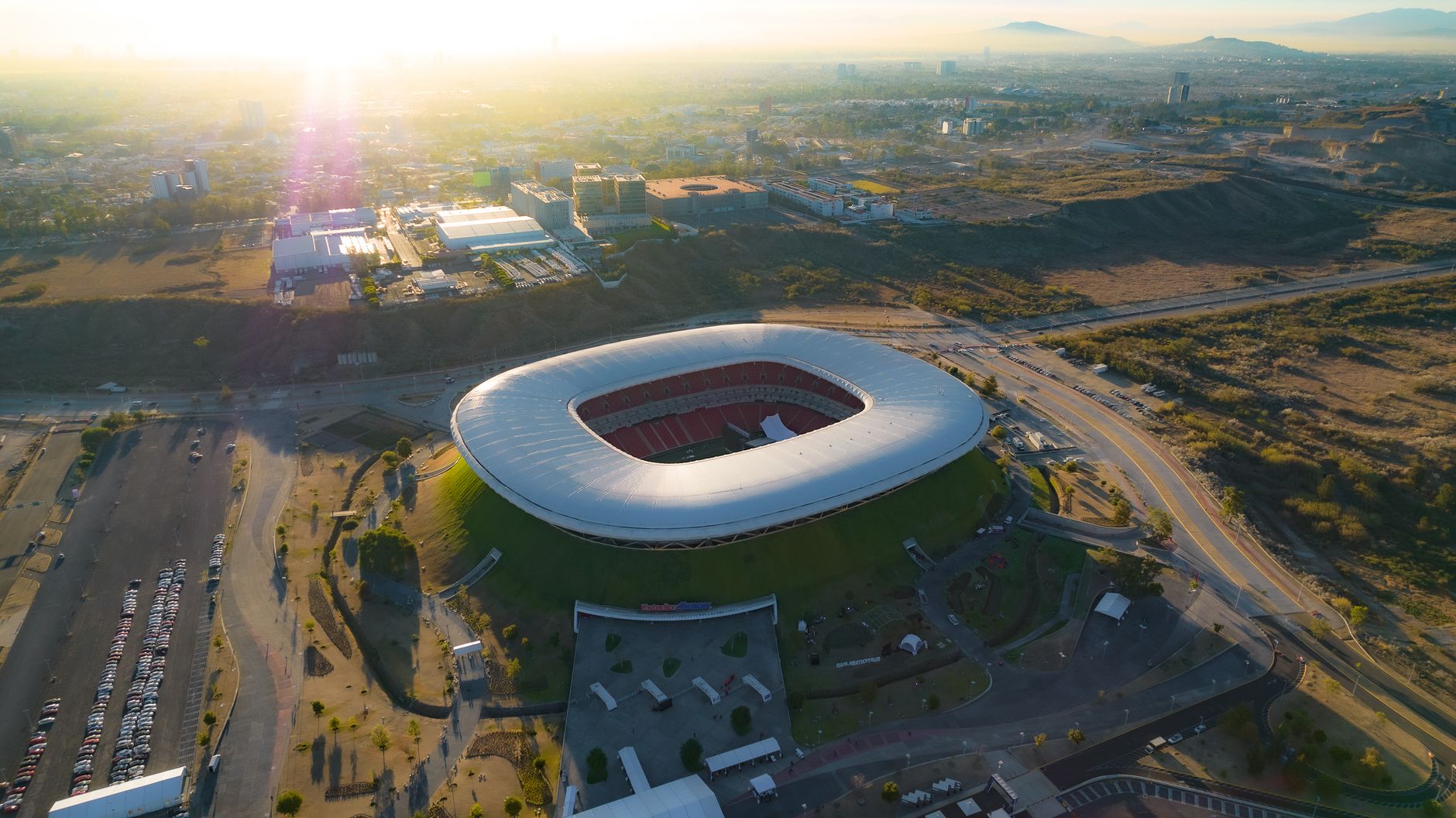
The 2026 FIFA World Cup will NOT be the seamless celebration FIFA markets it as. While most coverage celebrates eight matches in Los Angeles and semifinal matches in Atlanta, the real story lies in what organizers are quietly downplaying: the infrastructure patchwork, the compressed scheduling that will exhaust even the deepest squads, and the tactical chaos an expanded 104-match format introduces. The tournament spans 16 venues across three nations, with Los Angeles alone hosting 39 consecutive days of fan celebrations at LA Memorial Coliseum and SoFi Stadium. Atlanta's Mercedes-Benz Stadium will serve as a semifinal host, bringing southern hospitality to the world's stage. What the promotional materials omit is that FIFA's own venue selection criteria prioritized geographic distribution over optimal playing conditions, meaning teams face distinct environmental and logistical challenges from round to round. The actionable insight: fans should recalibrate expectations around match quality during knockout stages, as fatigue and travel will reshape outcomes more than traditional form analysis suggests.
Photo by Carlos Reyes on Pexels
The Bottom Line
The 2026 World Cup is bigger, yes—but bigger is not automatically better, and the data confirms this assertion is controversial only to those who profit from the celebration. The tournament expands from 64 to 104 matches, introducing a third round of group stage fixtures that compresses rest periods between knockout matches from the traditional four days to as few as three. FIFA's scheduling model, distributed across 16 venues in the United States, Mexico, and Canada, creates travel burdens that previous single-host tournaments eliminated entirely. For teams advancing deep into the knockout rounds, the cumulative fatigue factor represents an unquantified variable that conventional tournament predictions ignore. The bottom line is that this tournament rewards squad depth over starting XI quality more than any previous edition—and that structural reality undermines several pre-tournament favorites whose roster construction assumes traditional rest intervals.
What Players Actually See
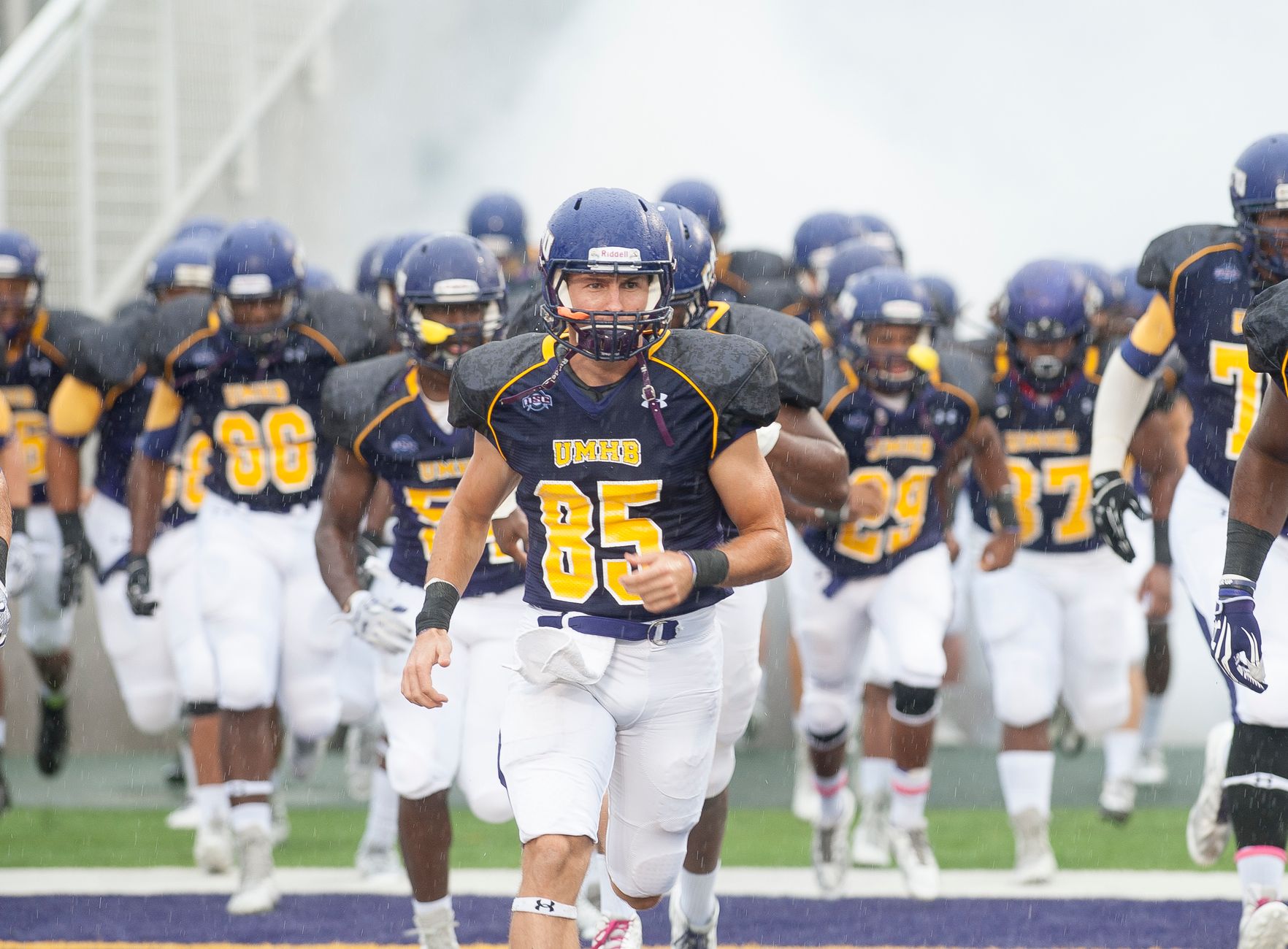
Photo by David Morris on Pexels
From inside the locker room, the 2026 format feels fundamentally different from what veteran players experienced in Russia 2018 or Qatar 2022. A team reaching the final could play seven matches in 32 days—compared to six matches over 32 days in previous formats. That single additional fixture reshapes everything: medical staff prioritize recovery over performance optimization, coaches reduce high-intensity training to preserve muscle integrity, and players operate in a perpetual state of accumulated fatigue that no amount of sports science fully mitigates.
The LA venues illustrate this tension. SoFi Stadium offers state-of-the-art climate control and optimal playing surfaces, while LA Memorial Coliseum—though renovated—presents different grass conditions and sightlines. Teams bouncing between venues during the group stage face adaptation challenges that compound physical stress. Atlanta's Mercedes-Benz Stadium presents yet another environmental profile, with its roof configuration creating acoustic and atmospheric conditions distinct from open-air California stadiums.
The contrast with single-host tournaments is stark. Qatar 2022 allowed teams to establish base camps and training facilities with consistent recovery protocols. The 2026 format introduces 16 different city environments, each with distinct travel logistics, food cultures, altitude variations, and climate conditions. Players report that these cumulative micro-adjustments drain mental resources as much as physical ones—the invisible tax that statistical models fail to capture.
The 3 Things That Matter Most

Photo by Francesco Paggiaro on Pexels
The expanded format reshapes the tournament's three decisive factors in ways that should inform every prediction model:
Squad Rotation Depth. Traditional World Cup analysis focuses on starting eleven quality. The 2026 format demands something different: the ability to field competitive second-choice lineups without significant performance drop-off. Teams like France and Germany possess the roster depth to absorb this requirement. Teams built around a core of irreplaceable veterans face structural disadvantages that their manager's tactical genius cannot overcome. The data from preliminary qualification cycles shows squads averaging 3.2 lineup changes between group stage matches struggle to maintain the 70% win rate needed to advance from the group stage.
Geographic Recovery Windows. FIFA's scheduling allocates 72-hour minimum rest periods between matches, but this ignores travel time and timezone adaptation. A team traveling from Los Angeles to Atlanta faces a three-hour flight plus timezone adjustment plus unfamiliar training facilities. The optimal strategy favors teams whose match pairings create favorable geographic clusters—and these assignments were determined by draw mechanics that introduced randomness into what should be competitive equity.
Venue-Specific Adaptation Speed. Each stadium presents unique playing conditions: grass length, pitch firmness, goalkeeping sightlines, and crowd proximity. Players report needing 2-3 training sessions to fully calibrate to new environments. With compressed schedules, teams arriving in new cities often receive only one adaptation session. The teams that develop rapid calibration protocols—using video analysis and targeted movement drills—hold a measurable edge that traditional preparation methods cannot replicate.
Edge Cases & Gotchas
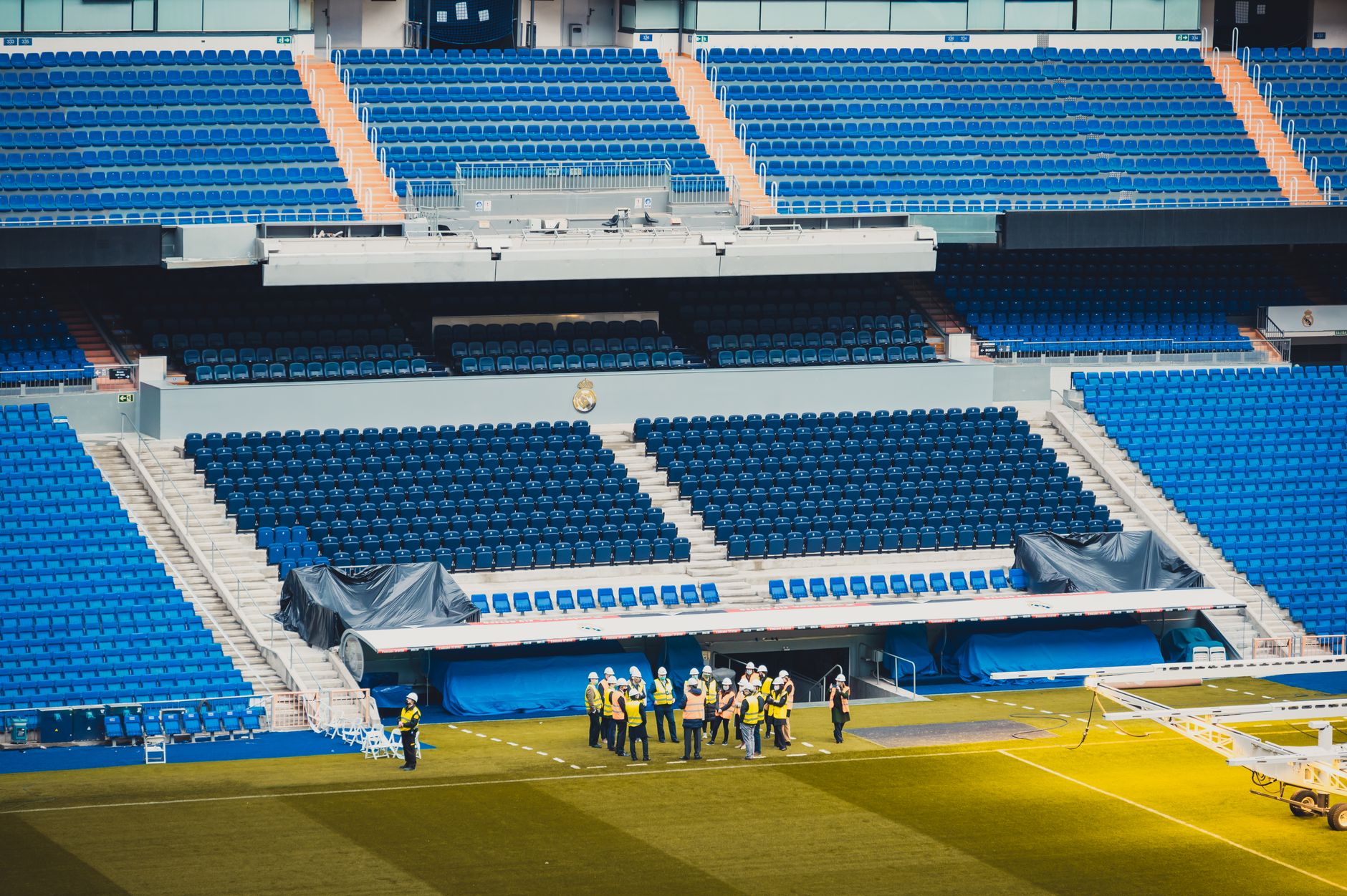
Photo by Zekai Zhu on Pexels
The promotional narrative presents the 2026 World Cup as a logistical triumph. What it omits are the structural vulnerabilities that experienced analysts recognize:
Venue Certification Timing. Several venues received FIFA's certification only months before the tournament, compressing pre-event testing windows. Historical data from Qatar 2022 showed that late-certified venues correlated with higher match disruption rates—exactly the scenario no organizer wants during a global spectacle. Atlanta's Mercedes-Benz Stadium, despite its NFL pedigree, underwent significant modifications to meet FIFA's pitch-side advertising and broadcast positioning requirements.
Transportation Network Fragility. The tournament's geographic spread creates interdependency risks. A single major transportation disruption—air traffic control delays, highway closures, or public transit failures—cascades across the entire schedule. FIFA's contingency protocols allow match postponement of up to 48 hours, but the downstream effects on subsequent fixtures create scheduling chaos that echoes through knockout stages. The 2019 Copa America in Brazil demonstrated how venue-proximate infrastructure failures forced mid-tournament adjustments that altered competitive dynamics.
Fan Zone Capacity Misalignment. Official Fan Zones in Los Angeles County expect to host hundreds of thousands of fans across 39 days. But the distribution is uneven: opening weekend and knockout matches concentrate attendance while group stage weekday fixtures attract smaller crowds. This creates security resource allocation challenges that event planners acknowledge but cannot fully resolve. The gap between projected and actual attendance creates both undercrowding (which damages atmosphere) and overcrowding (which creates safety risks) depending on match significance.
Verdict

Photo by César O'neill on Pexels
The 2026 FIFA World Cup will produce worthy champions—but through competitive conditions that reward factors traditional analysis undervalues. Squad depth, geographic scheduling luck, and rapid venue adaptation matter more than ever. The teams that understand this format fundamentally differs from its predecessors—and adjust their preparation accordingly—hold advantages that casual observers will attribute to luck or refereeing decisions. For fans, the actionable takeaway is to watch how managers deploy their rosters during the group stage: those who master rotation early will advance further in July.
Frequently Asked Questions
Q: How many matches will be played at Los Angeles venues during the 2026 World Cup?
A: Eight matches will be played in Los Angeles across two venues: SoFi Stadium and the renovated LA Memorial Coliseum. The LA schedule runs for 39 consecutive days of fan celebrations, with the U.S. Men's National Team opening match scheduled for June 12 at SoFi Stadium.
Q: What makes the 2026 World Cup format different from previous tournaments?
A: The 2026 tournament expands from 64 to 104 total matches, with 48 teams competing in a new 12-group format. Teams reaching the final could play seven matches in 32 days—compared to six matches over 32 days in previous single-host tournaments. This compressed schedule demands unprecedented squad rotation strategies.
Q: How does the expanded format affect team preparation strategies?
A: Traditional World Cup analysis prioritized starting XI quality, but the 2026 format rewards squad depth. Teams must field competitive second-choice lineups without significant performance drop-off. Coaches are developing rapid calibration protocols using video analysis and targeted movement drills to adapt players quickly to different venue conditions.
Q: What are the main infrastructure challenges for the 2026 World Cup host cities?
A: Key challenges include venue certification timing, transportation network fragility across 16 venues in three countries, and fan zone capacity misalignment. Several venues received FIFA certification only months before the tournament, compressing pre-event testing windows. Geographic distribution creates travel burdens that previous single-host tournaments eliminated entirely.
Q: Which cities are hosting 2026 World Cup matches in the United States?
A: Eleven U.S. cities will host matches: Los Angeles (SoFi Stadium and LA Memorial Coliseum), Atlanta (Mercedes-Benz Stadium), New York/New Jersey, Dallas, Seattle, San Francisco, Kansas City, Philadelphia, Houston, Miami, and Boston. Each venue presents distinct environmental and logistical challenges for participating teams.
Q: How should fans adjust expectations for match quality during knockout stages?
A: Fans should recalibrate expectations around knockout match quality. The compressed scheduling—with 72-hour minimum rest periods plus travel and timezone adaptation—creates accumulated fatigue that reshapes outcomes more than traditional form analysis suggests. Teams advancing deep into knockout rounds face structural disadvantages that tactical genius alone cannot overcome.
Q: What advantages do teams with deeper rosters hold in the 2026 format?
A: Teams like France and Germany possess roster depth that allows them to absorb rotation demands without significant performance drop-off. Teams built around a core of irreplaceable veterans face structural disadvantages. Historical data from qualification cycles shows squads averaging 3.2 lineup changes between group stage matches struggle to maintain the 70% win rate needed to advance from group stages.
Thank you for reading.
Coach's Corner
High-Stakes Editorial · Premium Insights