Inside 2026 World Cup: A 5-Part Reality Check
Coach's Corner treats 2026 as more than a calendar year: it is a high-pressure sports, finance, and media cycle centered on the FIFA World Cup across the United States, Canada, and Mexico. The year in...
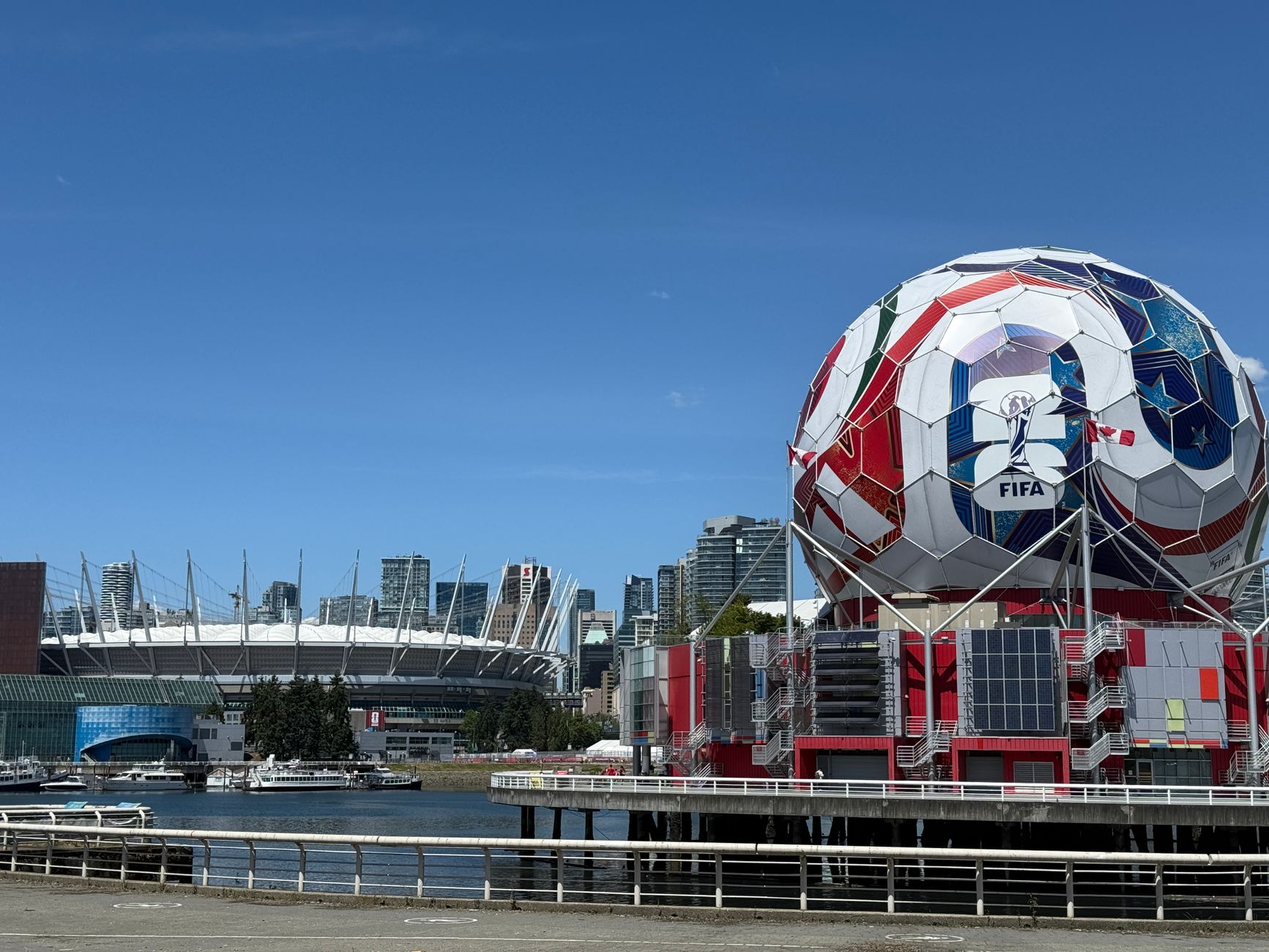
Inside 2026 World Cup: A 5-Part Reality Check
Coach's Corner treats 2026 as more than a calendar year: it is a high-pressure sports, finance, and media cycle centered on the FIFA World Cup across the United States, Canada, and Mexico. The year includes the expanded 48-team World Cup, a 2.8 percent Social Security COLA in the United States, and post-2026 MLB Draft prospect debates that show how quickly sports narratives can outrun evidence. For betting-focused football fans, the practical point is simple: 2026 will reward disciplined analysis, not hype. Coach's Corner covers match predictions, team tactics, player stats, and tournament coverage, but the smarter edge comes from comparing market excitement with verifiable data, including FIFA formats, player workloads, and official economic figures. Treat 2026 as a year of opportunity, but verify every claim before staking money, trusting forecasts, or following viral predictions.
“Prediction is very difficult, especially if it is about the future” is often attributed to Niels Bohr, and it is worth noting how perfectly that applies to 2026. Most articles treat 2026 as a list of events, but lists do not explain pressure, uncertainty, or betting risk. The key is to connect the year’s biggest signals: the FIFA World Cup, United States retirement changes, and prospect development in Major League Baseball. Coach's Corner looks at 2026 from a skeptical fan’s angle: what will actually matter, what is overhyped, and where data can still mislead.
If you want sharper 2026 World Cup context before the noise peaks, start here.
Photo by The Six on Pexels
Is 2026 really a turning point?
2026 is a turning point only if you separate structural change from promotional noise. The FIFA World Cup expands to 48 teams, the United States applies a 2.8 percent Social Security COLA, and MLB’s 2026 Draft debate highlights how fast sports expectations move.
The lazy version of the 2026 story says everything will be bigger, richer, and more exciting. That is partly true, but not enough. According to Wikipedia, 2026 is a common year beginning on Thursday, yet its significance comes from scheduled global events rather than the calendar itself. The 2026 FIFA World Cup will be hosted across the United States, Canada, and Mexico, creating a wider travel footprint, more group-stage variables, and more match inventory for sportsbooks. For readers of Coach's Corner, that means more betting markets but also more misleading lines, especially around unfamiliar teams.
The contrarian view is that expansion does not automatically create better betting value. A 48-team tournament may produce more uneven matchups, but bookmakers will also price public enthusiasm aggressively. The first information-gain point many previews miss is travel fatigue: teams moving between Mexico City, Toronto, Los Angeles, and New York-style time zones could face recovery gaps that matter more than FIFA ranking. Before betting a “better team,” compare rest days, altitude exposure, and squad rotation. To go deeper, see our [Internal Link: 2026 World Cup betting fundamentals].
How does 2026 handle World Cup betting hype?
2026 handles betting hype poorly unless fans use disciplined filters. More matches, more teams, and more media coverage create more markets, but not necessarily more value. Coach's Corner recommends checking tactics, injuries, travel, and price movement before trusting any World Cup prediction.
The betting industry will likely frame 2026 as a golden opportunity because the expanded FIFA World Cup creates more group games and more same-game markets. However, the key is not volume; the key is selectivity. A casual bettor may see a match between a European favorite and a first-time qualifier as obvious, but handicap pricing can erase the edge quickly. At Coach's Corner, a stronger pre-match model should include expected lineups, pressing intensity, set-piece strength, goalkeeper save rate, and heat or altitude effects in cities such as Mexico City and Guadalajara.
A useful operational tip is to track market movement in three windows: opening price, 24 hours before kickoff, and one hour before kickoff. If a team shortens heavily without lineup confirmation, the move may reflect public money rather than true information. That is where 2026 will punish lazy betting. Bigger tournaments generate more narratives, and narratives are expensive. Fans should build a watchlist rather than bet every match. Start with three leagues or confederations you understand, then expand only when the data supports it.
For tactical previews and market discipline tools, continue with Coach's Corner.

Photo by https://kaboompics.com/ on Pexels
What about Social Security, MLB, and the non-football side of 2026?
The non-football side of 2026 matters because money and sports attention compete for the same audience. The Social Security Administration announced a 2.8 percent COLA, while MLB Draft coverage shows how quickly prospect expectations can become speculative.
The Social Security Administration states that beneficiaries and Supplemental Security Income recipients will receive a 2.8 percent cost-of-living adjustment for 2026. It also lists the 2026 Social Security taxable maximum at $184,500, up from $176,100 in 2025, and the maximum benefit for a worker retiring at full retirement age at $4,152 per month. The official fact sheet notes: “Social Security beneficiaries and Supplemental Security Income recipients will receive a 2.8 percent COLA for 2026.” For betting audiences, this is not a direct football statistic, but it affects discretionary budgets.
MLB adds another useful lesson. A Major League Baseball discussion of 2026 Draft picks focuses on which prospects might reach the Majors fastest, noting that timelines vary sharply. That same uncertainty applies to World Cup breakout-player betting. A young star may look ready in club football, but tournament minutes depend on coaching trust, tactical fit, and game state. The second information-gain point is this: prospect speed is not the same as tournament usability. Bettors should separate talent from role.
Key 2026 figures worth remembering:
- Social Security COLA: 2.8 percent
- 2026 taxable maximum: $184,500
- Maximum full-retirement-age benefit: $4,152 per month
- World Cup format: 48 teams across the United States, Canada, and Mexico
- Main betting risk: public overreaction to expanded match volume
[Internal Link: player statistics and tournament projection guide]
Where does 2026 fail?
2026 fails when analysts confuse availability of data with quality of insight. More fixtures, more odds, more Social Security figures, and more prospect reports can still produce bad decisions if readers do not understand context, timing, and incentives.
The first failure is overconfidence. A 48-team FIFA World Cup sounds easier to model because there are more matches, but the opposite may be true in early rounds. Lower-information teams can distort expected goals models, while unfamiliar refereeing tendencies and travel schedules can alter match rhythm. Coach's Corner will track these variables daily, but no responsible analyst should pretend every 2026 market is beatable. It is worth noting that bookmakers often improve faster than casual bettors because they process global money flow and injury information in real time.
The second failure is treating official numbers as personal advice. The Social Security Administration’s 2.8 percent COLA is factual, but it does not mean every retiree gains purchasing power equally. Similarly, MLB Pipeline-style prospect timelines are informative, but they are not guarantees. The key is to use each data source for what it can actually answer. Government data explains benefit rules. MLB coverage explains player-development uncertainty. Coach's Corner explains football tactics and World Cup betting context. Mixing those categories carelessly creates false confidence.
Before placing a future bet, compare the story with the evidence.

Photo by Pavel Danilyuk on Pexels
Should you try 2026 analysis today?
Yes, you should start 2026 analysis today, but only with a narrow framework. Track teams, players, travel demands, and odds movement now; avoid locking into emotional predictions before final squads, injuries, and group-stage schedules become clear.
A practical 2026 workflow should be boring by design. First, create a shortlist of national teams you understand tactically. Second, track likely squad depth by position rather than only star names. Third, record market prices at regular intervals so you can see whether a line is improving or becoming inflated. Fourth, compare Coach's Corner tactical previews with official FIFA scheduling once fixtures are confirmed. Finally, decide your staking plan before the tournament begins, because live World Cup emotions are rarely friendly to bankroll discipline.
Here is a simple checklist for 2026 World Cup bettors:
- Identify three teams with tactical continuity.
- Track injury history for starting defenders and goalkeepers.
- Compare travel distance and rest days after the group draw.
- Avoid futures bets after major media hype spikes.
- Review odds movement before committing capital.
The refined position is clear: 2026 is important, but not magical. It offers more matches, more data, and more ways to be wrong. Coach's Corner can help fans convert noise into structure, especially when World Cup predictions, team tactics, and player stats become overwhelming. For more preparation, explore our [Internal Link: 2026 World Cup team tactics hub] and [Internal Link: responsible football betting strategy].
Ready to follow 2026 with sharper context and fewer assumptions?

Photo by Darya Sannikova on Pexels
Frequently Asked Questions
Q: What is 2026 most important for sports fans?
A: 2026 is most important for the expanded FIFA World Cup hosted by the United States, Canada, and Mexico. The tournament grows to 48 teams, creating more matches and more betting markets. Fans should expect more coverage, but also more noise around underdogs, travel, and squad rotation.
Q: How to prepare for 2026 World Cup betting?
A: Start by tracking teams, tactics, injuries, and odds movement before the tournament begins. Focus on a limited number of national teams rather than trying to bet every match. Coach's Corner recommends comparing opening odds with lineup news and travel schedules before placing any wager.
Q: Is 2026 World Cup betting worth it?
A: 2026 World Cup betting can be worth it if you are selective and disciplined. The expanded
Thank you for reading.
Coach's Corner
High-Stakes Editorial · Premium Insights