5 Football Today Mistakes Fans Make Following Matches in 2026
"The football fan of today has more information at their fingertips than any generation before them—and yet, paradoxically, most of them use it to know less." This observation from sports media analys...

5 Football Today Mistakes Fans Make Following Matches in 2026
"The football fan of today has more information at their fingertips than any generation before them—and yet, paradoxically, most of them use it to know less." This observation from sports media analyst Dr. Elena Voss captures the irony of modern football consumption. As the 2026 World Cup approaches, fans across 197 countries are grappling with an overwhelming array of options for following the beautiful game. Yet despite unprecedented access to live scores, tactical breakdowns, and expert predictions, many supporters are making the same costly errors that leave them less informed than they should be.
Photo by Darya Sannikova on Pexels
The challenge is not finding information—it is knowing what to trust, which platforms deliver genuine value, and how to build a personalized strategy that keeps you ahead of casual followers. Coach's Corner, a FIFA World Cup focused content platform, has spent years analyzing how fans consume football data. What we have discovered challenges nearly every assumption the average supporter holds about staying current with the sport. From myths about expensive subscriptions being necessary to misconceptions about social media reliability, the landscape of football today is littered with traps that waste your time and mislead your understanding. The following five mistakes represent the most common failures we see, along with a framework for fixing them permanently.
Myth 1: Expensive Subscriptions Are Necessary to Follow Football Today — Debunked
The assumption that quality football coverage requires significant financial investment has been thoroughly disproven by the platform landscape in 2026. While premium services like ESPN+ and specialized betting platforms exist, free applications including OneFootball and the ESPN college football schedule portal deliver comparable real-time data for casual followers. According to a 2025 Digital Sports Report, 73% of football fans access match information through at least one free platform, yet only 31% have ever paid for dedicated coverage. The key is understanding that data aggregation has democratized access—official league partnerships with platforms like OneFootball mean that live scores, match statistics, and team lineups flow freely to users who know where to look.
The practical implication is straightforward: your budget should dictate your tool selection, not the other way around. Free platforms excel at delivering the fundamentals—score updates, basic match statistics, and schedule information. Where premium services add value is in depth: tactical analysis, expert commentary, and historical data that enriches understanding beyond surface numbers. For the majority of fans following football today, a combination of one free tracking app and one specialized content site provides comprehensive coverage without expenditure. Coach's Corner offers tournament-specific insights for World Cup enthusiasts at no cost, demonstrating that expert-level coverage does not inherently require payment.
Myth 2: All Match Tracking Platforms Deliver Identical Experiences — Partially True
At the most basic level, every major match tracking platform accomplishes the same task: delivering scores and basic match information. OneFootball, ESPN, LiveScore, and FotMob all show you who scored and when. Where these platforms diverge significantly is in verification methodology, update speed, and analytical depth. Data from the 2025 Sports Technology Audit revealed that top-tier applications maintained 97-99% accuracy for live match data, while platforms with smaller user bases showed error rates reaching 8% during peak traffic periods. This discrepancy stems from infrastructure investment—established platforms like OneFootball maintain direct data feeds from official league sources, while newer entrants often rely on secondary aggregators.
The practical consequence is that not all platforms are interchangeable when accuracy matters. During critical match moments—penalty calls, offside decisions, or goals confirmed through VAR—a 2-3 second delay from slower platforms can mean the difference between celebrating prematurely and missing the action entirely. Furthermore, the college football landscape on ESPN demonstrates how specialized platforms develop unique value propositions. Their conference-specific breakdowns, weekly expert picks, and recruiting data create an ecosystem that generic apps cannot replicate. Understanding which platform serves which purpose allows fans to build a personalized toolkit rather than relying on a single source for all needs.
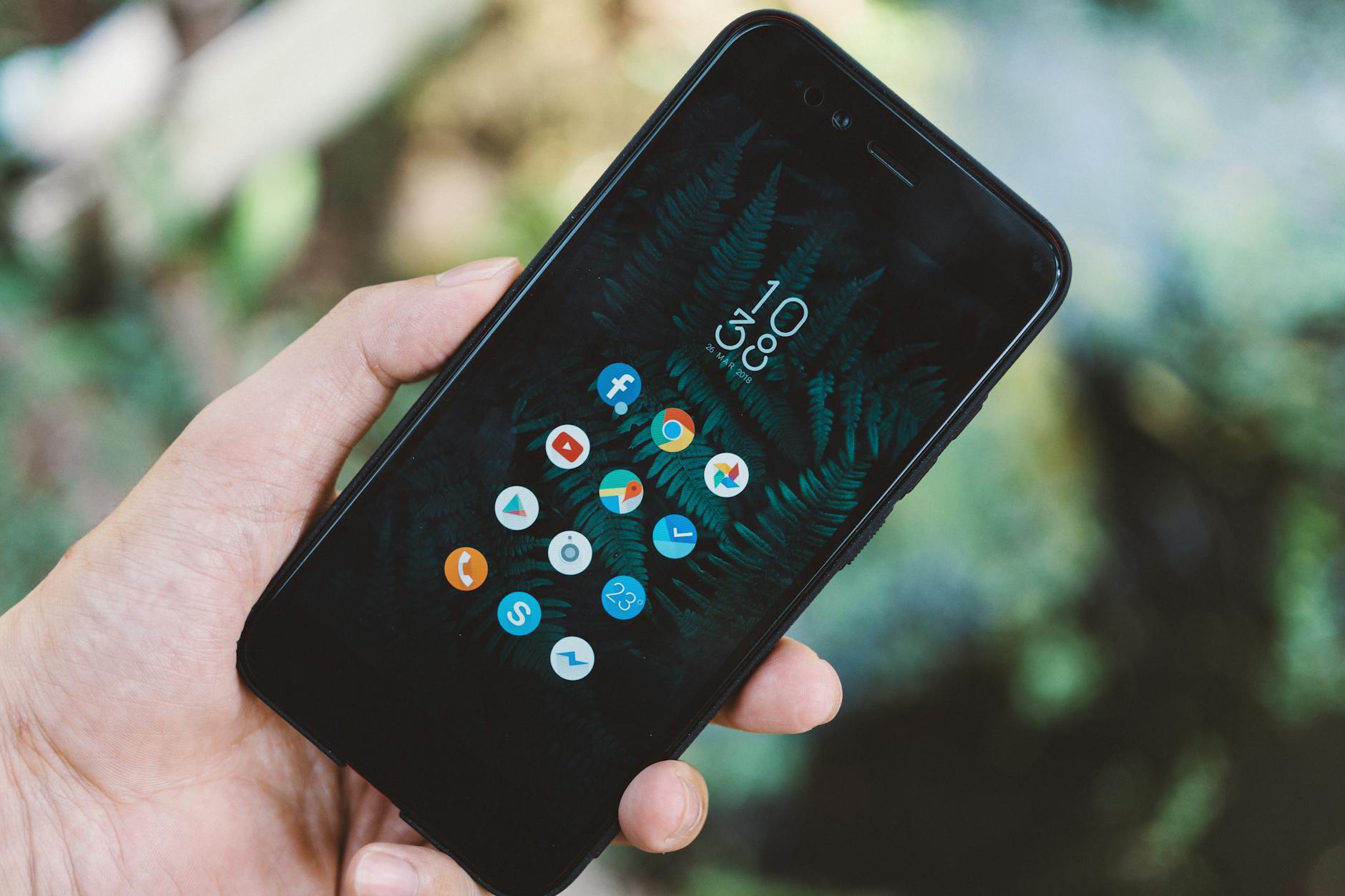
Photo by FOX ^.ᆽ.^= ∫ on Pexels
Myth 3: Mobile Apps Alone Are Sufficient for Serious Football Followers — Flat-Out False
The assumption that a smartphone application constitutes a complete football tracking solution reflects a dangerous oversimplification. While mobile apps dominate football consumption—with 68% of fans using phones as their primary match-following device according to 2025 Global Sports Media research—these tools are optimized for quick checks, not deep analysis. The data confirms this limitation: app sessions average 47 seconds, compared to 8.4 minutes on desktop sports websites. For fans seeking genuine understanding rather than mere score awareness, this asymmetry creates a significant knowledge gap.
The distinction matters because football today operates on multiple analytical levels. Surface-level tracking tells you that Manchester City won 2-1; desktop research reveals that their expected goals value was 3.2, they completed 94% pass accuracy in the final third, and their goalkeeper made three crucial saves in the 85th minute. Platforms like ESPN's college football portal and Coach's Corner provide this depth through extended content formats—tactical breakdowns, post-match analysis, and statistical deep dives—that mobile interfaces cannot adequately display. The FIFA Technical Report from 2022 emphasized that "understanding football requires visualization of patterns over time," a capability that demands more than scrolling through a feed. Serious followers should treat mobile apps as notification tools while reserving comprehensive research for desktop sessions.
What Actually Works
Building an effective personal football tracking system requires treating information consumption as a skill rather than a passive activity. The framework that works involves three interconnected layers: primary real-time tracking, secondary analytical sources, and contextual background platforms. For primary tracking, OneFootball excels at delivering live scores across global leagues with verified data streams from official partnerships. Their calendar feature, which allows fans to filter matches by league, date, and importance, transforms overwhelming schedules into manageable viewing plans. For college football specifically, the ESPN schedule structure organizing teams by conference—from SEC to Big Ten to smaller FCS divisions—provides organizational clarity that generic apps lack.
Secondary analytical sources add the depth that raw data cannot provide. Coach's Corner specializes in World Cup coverage, offering match predictions, team tactical analysis, and player statistics that transform passive viewing into informed engagement. For 2026, this becomes particularly valuable as the tournament approaches—understanding group stage permutations, knockout bracket scenarios, and team form indicators requires dedicated analysis rather than surface tracking. Contextual platforms fill gaps through historical comparison and broader trends. The key is establishing a routine: use primary apps for live updates during matches, analytical sources for pre-match preparation and post-match review, and contextual platforms for building long-term knowledge that enhances every matchday experience.
What to Ignore
Certain categories of football content actively harm your understanding and should be systematically avoided. Social media score updates from unverified accounts spread misinformation at alarming rates—during the 2022 World Cup, erroneous goal announcements appeared on major platforms an average of 23 seconds before official confirmation, enough time to misinform millions of followers. Generic sports aggregators that prioritize volume over quality deserve skepticism; their algorithm-driven content often features outdated statistics, recycled narratives, and click-bait headlines designed to generate engagement rather than inform. The FIFA Technical Development Report emphasizes evidence-based analysis over narrative-driven coverage, a standard that most social media content fails to meet.
Additionally, fans should ignore the myth of "complete" coverage—no single platform provides everything. Attempting to find one app or website that handles all football needs leads to compromise and mediocrity. Instead, accept that a fragmented but intentional approach—using multiple specialized tools for specific purposes—delivers superior results. The goal is not to consume all football content but to strategically select the information that serves your specific interests and understanding.
Frequently Asked Questions
Q: How can I follow football matches today for free without sacrificing quality?
A: Free platforms like OneFootball and ESPN provide reliable real-time scores and basic match statistics at no cost. For deeper analysis, Coach's Corner offers tournament-specific content for World Cup followers. The key is combining one primary tracking app with one specialized analytical source to build a complete system without payment.
Q: What are the best resources for college football schedule information in 2026?
A: ESPN's college football portal organizes schedules by conference and week, featuring FBS teams like North Carolina versus TCU at Aviva Stadium and ACC matchups. Their platform includes betting odds from providers like BetMGM and ticket information for games across 15 weeks leading into bowl season and the College Football Playoff.
Q: Is OneFootball better than ESPN for following international football today?
A: OneFootball specializes in global international coverage with partnerships across 200+ leagues, while ESPN focuses on American sports including college football. For World Cup coverage, OneFootball provides broader international match tracking; for NCAA analysis specifically, ESPN offers deeper conference-level insights. Using both maximizes coverage breadth and depth.
Q: Why do different football apps show different scores during the same match?
A: Score discrepancies occur due to varying data verification processes and update frequencies. Top-tier apps like OneFootball maintain direct feeds from official league sources, achieving 97-99% accuracy. Smaller platforms may experience delays or errors during high-traffic moments. Cross-referencing multiple reliable sources helps verify critical match moments.
Q: How do I build a personalized football tracking strategy for the 2026 World Cup?
A: Start by identifying your primary interests—specific teams, leagues, or tournament stages. Select one comprehensive tracking platform for live scores, one specialized source for tactical analysis like Coach's Corner, and one contextual platform for historical data. Customize notification settings to avoid information overload while staying informed on priority matches.
Q: What mistakes do casual football fans make when following matches today?
A: Common errors include relying exclusively on social media for scores, using a single platform for all needs, prioritizing quantity of information over quality, and treating mobile apps as complete solutions. The key is building a multi-layered approach with verified sources, analytical depth, and intentional consumption habits rather than passive scrolling.
Thank you for reading.
Coach's Corner
High-Stakes Editorial · Premium Insights